
What do you feel when you have a heavy workload at school or many responsibilities at work? How about when someone you love becomes ill and is hospitalized? You might feel overwhelmed, sad, or even fearful. These experiences are common to everyone, and I am no exception.
When I was a junior high school student, I often had to manage multiple responsibilities at once, including assignments, exams, and swimming team practices. One way I dealt with stress or mental tension was through Transcendental Meditation (TM). TM is a meditation technique designed to quiet mental activity and promote brain functioning.
When I was first introduced to TM, I did not fully understand the neuroscience behind stress or meditation. Instead, I noticed practical changes. After practicing TM, especially when I felt mentally exhausted, my mind became clearer, and it became easier to focus. Homework felt less overwhelming, and studying required less effort to maintain attention. Therefore, in this article, I would like to share my experiences together with deep scientific evidence to propose a new way of approaching stress that could benefit everyone.
Types of “Stress”
Most of us think of stress as something negative, which we want to avoid. But stress itself is not always bad. It depends on what stress you are experiencing.
Acute stress is short-term stress that lasts minutes or hours. It happens when we face an immediate challenge or exciting situation. Riding a roller coaster, giving a presentation, or taking an exam can all trigger acute stress. Your heart beats faster, and your attention sharpens to improve your performance and help us stay alert [1].
However, problems happen when stress continues for a long time.
Chronic stress occurs when pressures continue for weeks, months, or even years. Persistent workplace stress, financial worries, and caregiving responsibilities are common examples. Unlike brief stress, chronic stress keeps the body’s alarm system switched on continuously. Researchers consider that chronic stress exposure is one of the most harmful psychological conditions because it gradually changes how we think, feel, and behave. Those shifts can change life patterns, including increased smoking, difficulty sleeping, and poorer adherence to medical regimens. Then, these behavioral changes combine with biological changes in the brain and body, eventually increasing the risk of disease [2].
The Body’s Stress Systems
When we encounter stress, two major biological systems activate automatically.
The first is the Hypothalamic-Pituitary-Adrenal (HPA) axis, a communication network connecting the brain and endocrine or hormonal system. This pathway releases the chemical, cortisol, often called the “stress hormone.” Cortisol is useful in short bursts because it helps control metabolism and inflammation [2]. However, when high cortisol levels stay for long periods, it begins to damage our brain regions. One of the most vulnerable areas is a structure essential for learning and memory, called the hippocampus, and its shrinkage leads to memory loss [3].
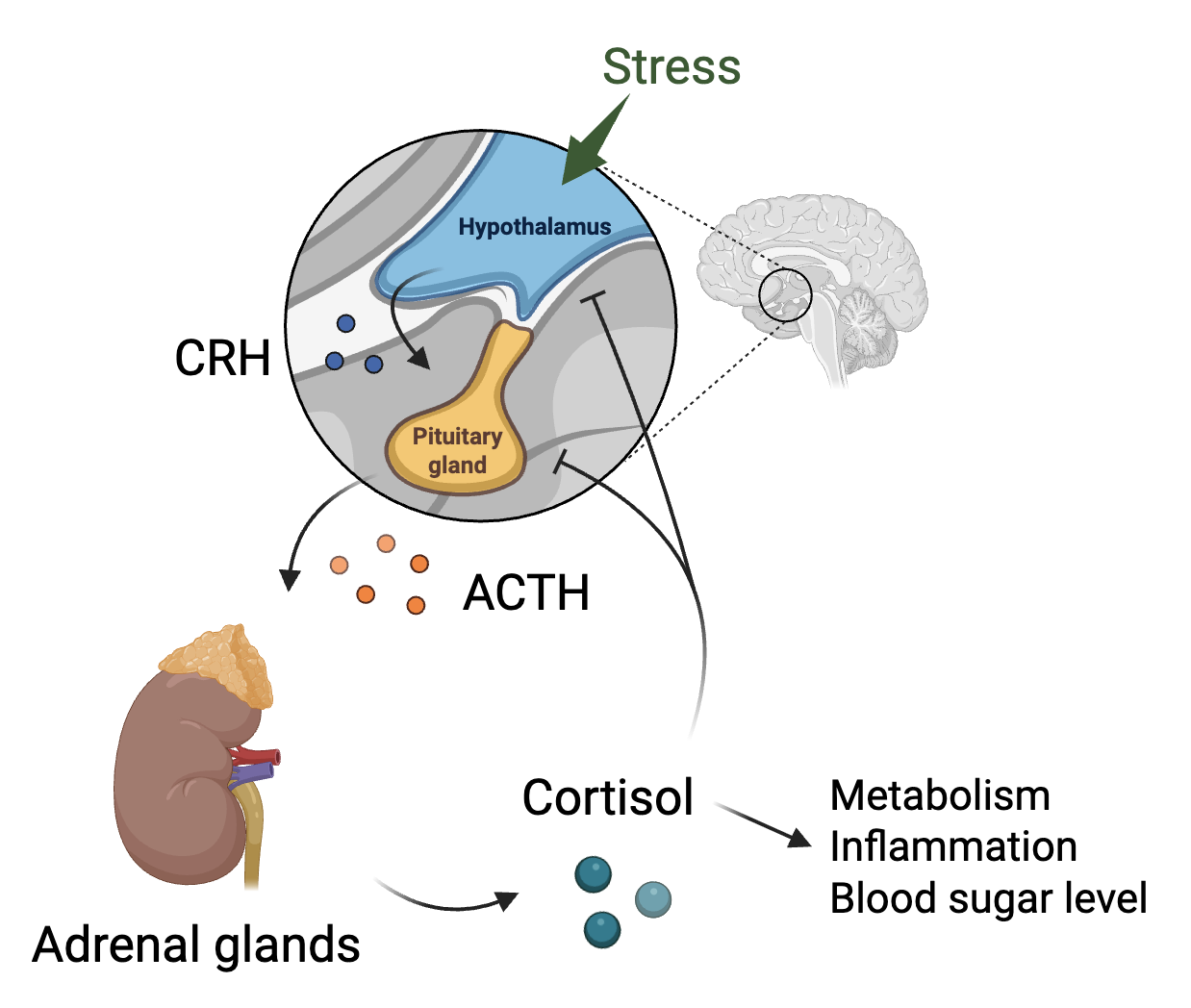
At the same time, another chemical called catecholamines is also released in response to stress. These chemicals activate a system called the fight-or-flight response, increasing heart rate and blood pressure to prepare the body to escape danger, and triggering inflammation to prepare the body for injury. Therefore, chronic activation of the fight-or-flight response can damage the cardiovascular system with higher blood pressure, contributing to cardiovascular diseases, and induce persistent inflammation, leading to autoimmune disorders and poorer wound healing [4].
One region particularly sensitive to catecholamines is the prefrontal cortex, the part of the brain responsible for planning, self-control, and logical thinking. Under prolonged stress, this area is becoming less effective. Tasks that require complex, flexible thinking become more difficult, and people under chronic stress also lose self-control, making them more likely to rely on impulsive habits rather than thoughtful decisions [5]. As a result, individuals may start engaging in maladaptive behaviors such as drug use, smoking, overeating, or alcohol consumption. These behaviors can temporarily relieve stress but ultimately increase risks for conditions like diabetes, depression, and addiction [6].
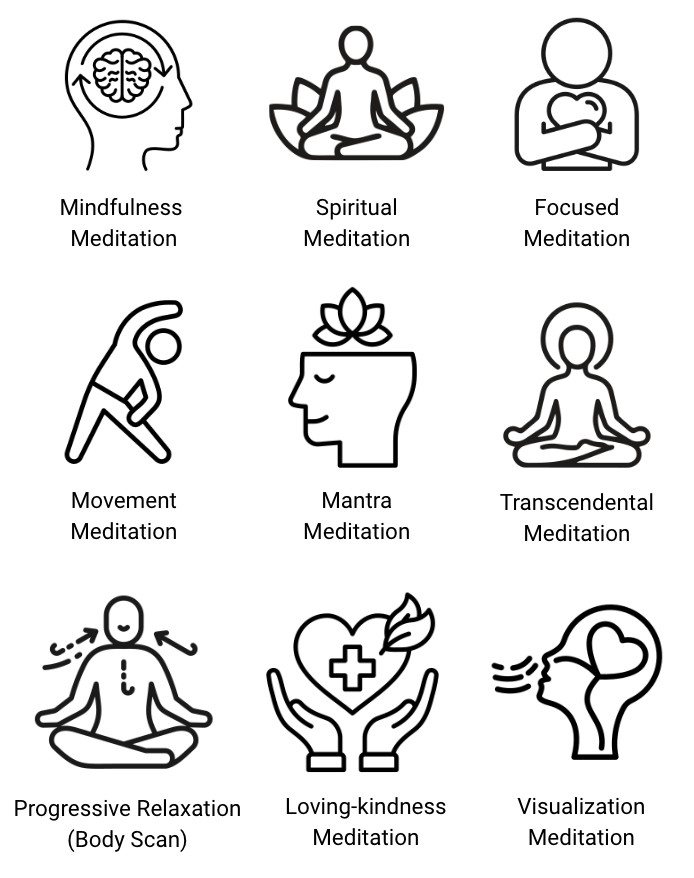
How Can We Manage the Negative Impact of Stress?
– Transcendental Meditation –
If chronic stress keeps the brain stuck in a constant state of alarm, an important question is “Can we intentionally shift the brain into a rest state?” One approach that has gained attention is Transcendental Meditation (TM). Unlike many meditation practices that emphasize concentration, breathing control, or clearing the mind, TM is designed to be effortless but effective. TM practitioners do not try to force relaxation or control their thoughts. Instead, the technique allows the mind to settle into a quieter state naturally. TM is accessible for people of all ages, professions, and cultural backgrounds to practice. Importantly, TM is taught as a mental technique rather than a religion and does not require adopting new beliefs or replacing existing spiritual traditions.
The “Pure State” of Consciousness
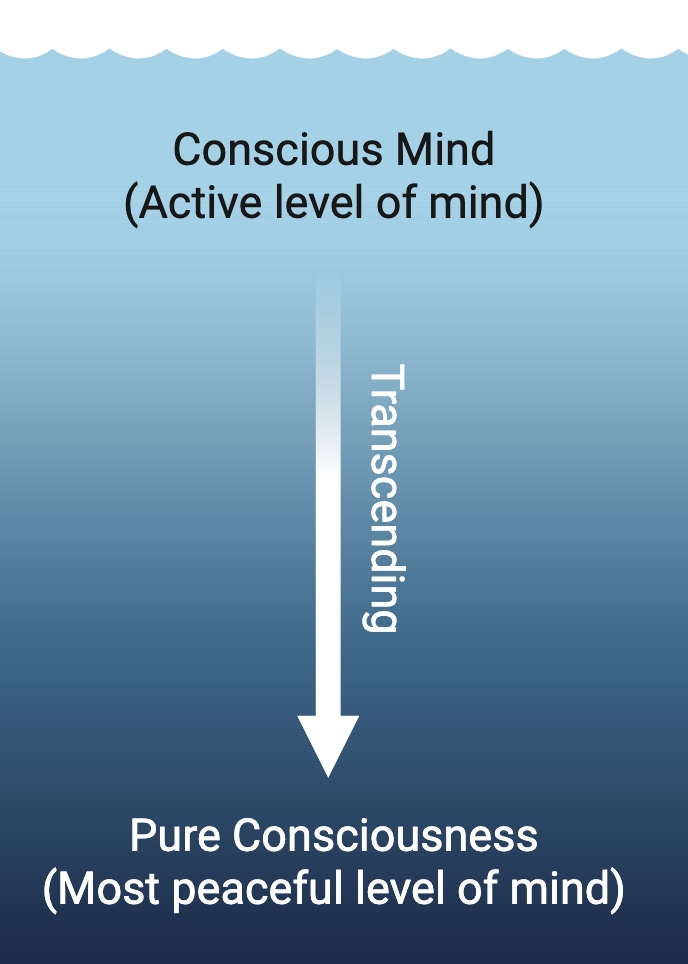
TM is often described as allowing the mind to settle into a deep, unique state of restful alertness – a condition in which the body becomes deeply relaxed while the mind remains awake and clear. A helpful way to imagine this process is to think of the mind as an ocean. At the surface, waves constantly move and crash, like our everyday thoughts, worries, and distractions. But as you move deeper below the surface, the water becomes calmer and quieter.
In this ocean, TM works like a scuba regulator. Just as diving equipment allows a person to breathe underwater and explore deeper levels of the ocean, TM provides a mental tool that helps the mind move beyond surface-level thinking into a calmer depth of awareness. This experience is often described in personal terms as well. Ms. Sogawa, who has practiced TM for around 20 years and is my life coach, explains that at its deepest level, she sometimes experiences “a feeling of having lost my body,” reflecting the deep sense of mental quietness that can occur during meditation.
From India to the World
TM was introduced to the modern world by Maharishi Mahesh Yogi, an Indian teacher who began sharing the technique internationally in 1958. Traveling across Europe, North America, and Asia, Maharishi trained thousands of certified instructors and established nonprofit organizations, so the method could be taught consistently and accurately. His goal was simple but ambitious: to help people reduce stress on both individual and societal levels.
Today, TM continues to be taught worldwide through standardized instruction to ensure that people learn the same technique regardless of where they live. According to the official TM organization, more than 6 million people worldwide have learned TM, including Hugh Jackman and Cameron Diaz, making it one of the most widely practiced meditation techniques globally [7].
How Is TM Practiced?
The practice itself is surprisingly simple. During TM, individuals sit comfortably with their eyes closed for about 20 minutes, twice a day. Practitioners silently repeat a mantra – a specific sound suitable for each person taught by a certified instructor. Chanting a mantra in the mind gently helps the individual move into deeper consciousness, rather than concentrating or repeating it with effort. Many practitioners describe the experience as deeply restful yet mentally clear, almost like the refreshing feeling after a good night’s sleep – but while remaining awake.
Real-Life Effects – Mental Health
Research on TM suggests that it positively affects both our mental and physical health.
On the mental health side, TM has been linked to reductions in symptoms of post-traumatic stress disorder (PTSD) and depression. In one study, researchers compared the severity of PTSD and depression before and after practicing TM. They used standard clinical questionnaires, the PTSD Checklist (Civilian Version), and the Beck Depression Inventory. Participants rated the extent to which they experienced specific symptoms on a scale, such as “trouble falling or staying asleep” for the PTSD Checklist, and reported levels of major symptoms, such as sadness, for the Beck Depression Inventory. They found that just 15 days of TM practice significantly reduced both symptoms [8]. Other studies support longer-term effects as well. Over 3 months, participants practicing TM showed decreases in both anxiety and depression [9].
Scientists have also explored how TM affects the brain regions controlling arousal and attention.
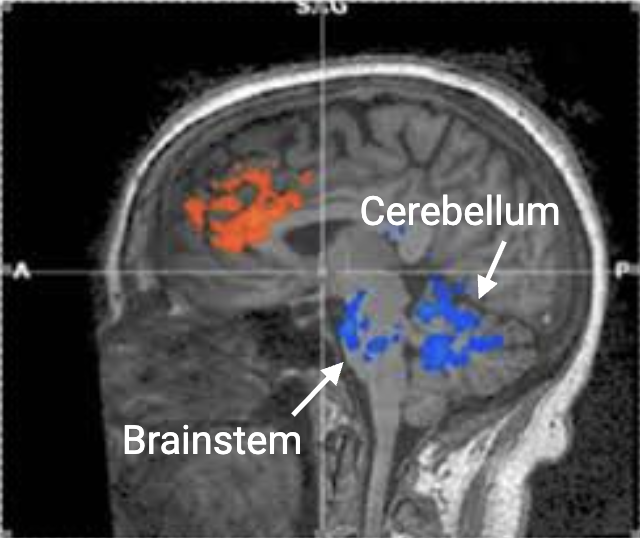
One way to study brain activity is through functional Magnetic Resonance Imaging (fMRI), a safe imaging method that tracks brain activity by detecting changes in blood oxygenation called the BOLD (Blood Oxygen Level-Dependent) signal. In active brain regions, the BOLD signal increases because those areas consume more oxygen. During the scan, the patient lies still inside a large MRI scanner while performing tasks or resting, and the machine records brain activity using magnetic fields and radio waves.
During TM practice, there was increased activity in the prefrontal cortex, again, a very forward brain region involved in many cognitive functions, including attention, emotional regulation, decision-making, planning, and self-control. At the same time, activity decreased in parts of the brainstem and cerebellum, a root of the brain regions involved in arousal, autonomic functions, such as breathing regulation, and movement. This means that in long-term TM practitioners, the brain appears to shift into a more functional state while deeply relaxed, leading to restful alertness, as described above [10].
Beyond emotional health, TM may also influence how people see themselves. In a long-term study, practitioners showed increases in self-concept over 3 years [9]. Self-concept refers to the sense of identity and how we answer the question, “Who am I?” This data suggests that TM may also support a more stable and positive sense of self over time.
These scientific findings are echoed in personal experiences. Ms. Sogawa describes subtle but meaningful changes in her daily life. She explains, “Since I started meditating, I’ve stopped getting caught up in my emotions and have been able to think about myself objectively.” She also notes that “the frustration while fostering twin kids decreased,” highlighting how these changes extend into everyday emotional experiences and parenting stress.
Real-Life Effects – Physical Health
The physical health effects of TM are also fascinating. In terms of pain perception, long-term TM practitioners showed 40–50% fewer brain responses to painful heat stimuli using fMRI, meaning their brains reacted less strongly to pain signals. Even more interestingly, beginners who practiced TM for just 5 months showed similar reductions in pain-related brain activity, reaching levels comparable to experienced practitioners [11].
Additionally, sleep quality improves. In a study measuring insomnia severity, participants showed better sleep after 6 months of TM practice [12]. Better sleep is closely tied to improved mood, focus, and overall health, making this finding especially relevant for everyday life. This result suggests that TM may support both mental restoration and long-term physical well-being through improved sleep regulation.
TM also appears to affect the body’s stress hormones, cortisol. Studies have found that long-term practitioners (with 3-5 years of experience) showed lower cortisol levels after meditation, suggesting that TM may help calm the body’s stress-response system, potentially lowering stress-related conditions such as inflammation and cardiovascular disease [13].
Molecular-level changes
Beyond its effects on mood and behavior, research suggests that TM may also influence the body at a molecular level.
One area of interest is aging. A major marker of cellular aging is the telomere, a protective “cap” at the ends of chromosomes that helps prevent DNA damage. Telomeres naturally shorten with age, and this shortening is associated with cellular aging. In most people, older age is linked to shorter telomeres. However, in long-term TM practitioners (around 17 years of practice), this typical age-related shortening was not observed [14]. This suggests that TM may influence the biological aging processes. One possible explanation is that TM affects how DNA is regulated by changing how tightly DNA is packaged and which genes are turned on or off without altering the genetic code itself. This form of regulation may help preserve telomere length and potentially slow aspects of age-related cellular decline.
Another key change is the immune system. In a study of long-term practitioners (around 38 years of practice), researchers found broad changes in gene activity linked to inflammation and immune defense. Specifically, 49 genes associated with inflammation were turned down, while genes involved in antiviral responses and antibody production were turned up [15]. In other words, the body shifted away from chronic inflammation and toward stronger antiviral and immune protection, which could improve chronic inflammatory diseases, such as autoimmune disorders and poor wound healing.
Conclusion
Overall, chronic stress has negative effects on both mental and physical health, contributing to conditions such as anxiety, depression, impaired immune function, and increased risk for cardiovascular disease. In contrast, research on TM suggests that it may serve as an effective anti-stress strategy that supports overall well-being.
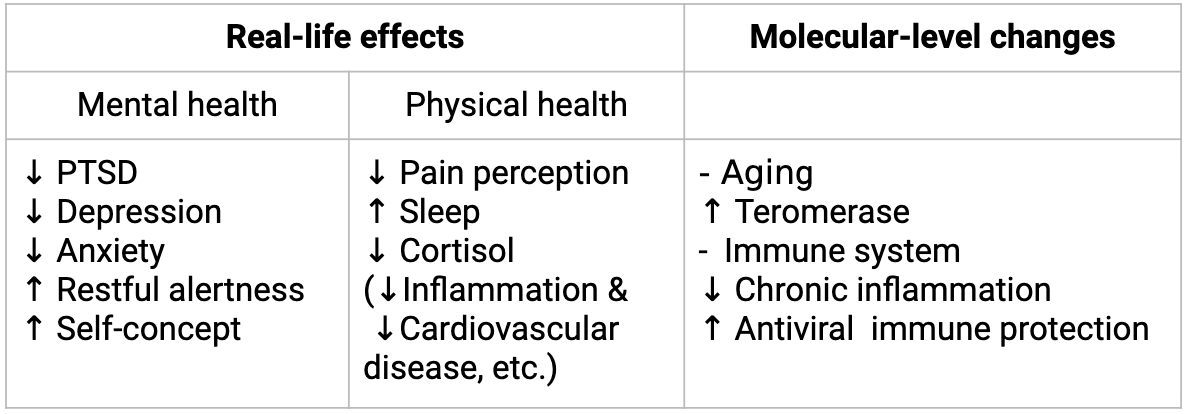
Studies show improvements in emotional health, including reduced symptoms of PTSD, depression, and anxiety, as well as changes in brain activity associated with greater calm and better attention control. TM has also been linked to physical benefits such as reduced pain perception, improved sleep, and lower stress hormone levels, along with molecular changes related to aging and immune function. Together, these findings suggest that TM may help reduce the harmful effects of chronic stress by supporting both mind and body at multiple levels, from psychological experience to cellular processes.
Therefore, I would strongly recommend incorporating TM into daily life. For those interested in learning more, here is the link to the official organization established in 1959 by Maharishi Mahesh Yogi.
▶︎ https://www.tm.org/
References
[1] Acute vs. Chronic Stress. (n.d.). UCF Health. Retrieved April 22, 2026, from http://ucfhealth.com/our-services/lifestyle-medicine/acute-vs-chronic-stress/
[2] Cohen, S., Janicki-Deverts, D., & Miller, G. E. (2007). Psychological Stress and Disease. JAMA, 298(14), 1685–1687. https://doi.org/10.1001/jama.298.14.1685
[3] Sapolsky, R. M. (2000). Glucocorticoids and Hippocampal Atrophy in Neuropsychiatric Disorders. Archives of General Psychiatry, 57(10), 925. https://doi.org/10.1001/archpsyc.57.10.925
[4] Cohen, S., Janicki-Deverts, D., Doyle, W. J., Miller, G. E., Frank, E., Rabin, B. S., & Turner, R. B. (2012). Chronic stress, glucocorticoid receptor resistance, inflammation, and disease risk. Proceedings of the National Academy of Sciences of the United States of America, 109(16), 5995–5999. https://doi.org/10.1073/pnas.1118355109
[5] Arnsten, A. F. T. (2009). Stress signalling pathways that impair prefrontal cortex structure and function. Nature Reviews. Neuroscience, 10(6), 410–422. https://doi.org/10.1038/nrn2648
[6] Duman, R. S., & Aghajanian, G. K. (2012). Synaptic Dysfunction in Depression: Potential Therapeutic Targets. Science (New York, N.Y.), 338(6103), 68–72. https://doi.org/10.1126/science.1222939
[7] 80% of successful people meditate | Transcendental Meditation. (n.d.). Retrieved April 22, 2026, from https://tm-ireland.org/lpd-cb2/
[8] Bandy, C. L., Dillbeck, M. C., Sezibera, V., Taljaard, L., Wilks, M., Shapiro, D., de Reuck, J., & Peycke, R. (2020). Reduction of PTSD in South African University Students Using Transcendental Meditation Practice. Psychological Reports, 123(3), 725–740. https://doi.org/10.1177/0033294119828036
[9] Sheppard II, W. D., & Staggers Jr., F. J. (1997). THE EFFECTS OF A STRESS MANAGEMENT PROGRAM IN A HIGH SECURITY GOVERNMENT AGENCY. Anxiety, Stress & Coping, 10(4), 341. (3963587). https://doi.org/10.1080/10615809708249308
[10] Mahone, M. C., Travis, F., Gevirtz, R., & Hubbard, D. (2018). fMRI during Transcendental Meditation practice. Brain and Cognition, 123, 30–33. https://doi.org/10.1016/j.bandc.2018.02.011
[11] Orme-Johnson, D. W., Schneider, R. H., Son, Y. D., Nidich, S., & Cho, Z.-H. (2006). Neuroimaging of meditation’s effect on brain reactivity to pain. Neuroreport, 17(12), 1359–1363. https://doi.org/10.1097/01.wnr.0000233094.67289.a8
[12] Paredes, C., Nidich, S., Yeola, G., Wele, A., Kamble, S., Tehre, K., Wallace, R. K., & Rainforth, M. (2025). The effects of Transcendental Meditation on emotional intelligence, stress, fatigue, and sleep quality among Ayurvedic medical students in India. Frontiers in Education, 10. https://doi.org/10.3389/feduc.2025.1583413
[13] Jevning, R., Wilson, A. F., & Smith, W. R. (1978). The transcendental meditation technique, adrenocortical activity, and implications for stress. Experientia, 34(5), 618–619. https://doi.org/10.1007/BF01936994
[14] Mendioroz, M., Puebla-Guedea, M., Montero-Marín, J., Urdánoz-Casado, A., Blanco-Luquin, I., Roldán, M., Labarga, A., & García-Campayo, J. (2020). Telomere length correlates with subtelomeric DNA methylation in long-term mindfulness practitioners. Scientific Reports, 10(1), 4564. https://doi.org/10.1038/s41598-020-61241-6
[15] Wenuganen, S., Walton, K. G., Katta, S., Dalgard, C. L., Sukumar, G., Starr, J., Travis, F. T., Wallace, R. K., Morehead, P., Lonsdorf, N. K., Srivastava, M., & Fagan, J. (2021). Transcriptomics of Long-Term Meditation Practice: Evidence for Prevention or Reversal of Stress Effects Harmful to Health. Medicina, 57(3). https://doi.org/10.3390/medicina57030218