
You walk into a room and suddenly stop, unsure of why you entered. Moments earlier, you knew what you came into the room for, but now you can’t remember. Experiences like these are very common. Although it can be frustrating, it does not always signify anything deeper. However, in some cases, they can be the earliest signs of cognitive decline. As people age, maintaining brain health becomes increasingly important. Research suggests that some activities can prevent cognitive decline and reduce the risk of developing neurodegenerative diseases such as Alzheimer’s disease. Incorporating brain games into your daily life may help maintain the brain’s cognitive function.
Cognitive decline is a natural part of aging, but the effects can vary among individuals [1]. Some people might experience a faster rate of cognitive decline or a higher level of severity than others. More severe and rapid cognitive decline may be associated with neurodegenerative diseases such as Alzheimer’s disease. Alzheimer’s disease is the most common form of dementia, where neurons stop working and eventually die [2]. An estimated 6.9 million Americans, age 65 or older, are living with Alzheimer’s today, and with the increasing prevalence, that number could reach 13.8 million by 2060 [3]. Dementia cases are predicted to reach about one million new diagnoses per year by 2060 [4]. These projections highlight the need to find effective strategies to support cognitive health and possibly delay the onset of neurodegenerative diseases.
What brain regions are involved?
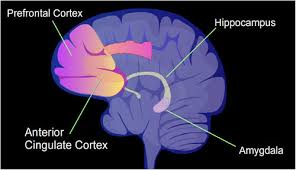
To better understand the mechanisms underlying cognitive decline and the development of neurodegenerative diseases, it is important to examine the structure and function of the brain regions involved in learning and memory, including the hippocampus, amygdala, and prefrontal cortex.
One of the most important structures is the hippocampus. The hippocampus converts short-term experiences into long-term memories, a process known as memory consolidation [5]. It also supports spatial memory, which helps individuals navigate and understand their environment [6]. For example, remembering where you parked your car or how to get home relies heavily on hippocampal function. One of the most important clinical facts about the hippocampus is that it is one of the earliest brain regions affected in Alzheimer’s disease [7]. This is why difficulty forming new memories, or anterograde amnesia, is often one of the first noticeable symptoms in affected individuals.
The amygdala also plays a key role in cognitive function. The amygdala is mainly responsible for emotional processing, such as fear and anxiety [10]. It processes different experiences and the emotional response they may provoke. The amygdala learns what experiences caused a bad or good reaction, which is helpful for survival. This is why emotionally intense events are often remembered more clearly than neutral ones. The amygdala works with the hippocampus, linking emotional experiences with memory consolidation.
Another important region is the prefrontal cortex. This area is involved in higher-level cognitive functions such as thinking, reasoning, planning, and decision-making [8]. The prefrontal cortex helps the brain imagine and keep track of future outcomes that occur as a consequence of behavioral actions when problem-solving [9]. For example, when someone is solving a problem, the prefrontal cortex is highly active in considering the possible outcomes of each decision. As people age, this region tends to show reduced efficiency, which can lead to slower processing speed, difficulty concentrating, and reduced multitasking ability.
These brain regions do not function independently. Instead, they work together as part of a larger, interconnected network that supports cognitive functions such as learning, memory, and decision-making. When communication between these regions is efficient, individuals can process information and respond appropriately. However, when these networks become disrupted due to aging or disease, cognitive abilities can begin to decline.
What is the difference between aging and cognitive decline?
Cognitive changes are a natural part of aging, but not all changes indicate disease. In normal aging, individuals may experience mild declines in processing speed, occasional forgetfulness, or reduced ability to multitask. Cognitive changes are generally gradual and do not significantly interfere with daily functioning. For example, an older adult may take longer to learn new information or occasionally forget names, but they can still manage daily responsibilities. Cognitive changes are considered part of typical brain aging and are not necessarily signs of neurological disease. In contrast, cognitive decline involves more severe and progressive impairments that interfere with daily life. Conditions such as dementia represent a category of disorders involving significant memory loss, impaired reasoning, and changes in behavior. Within this category, the most common form is Alzheimer’s disease, accounting for 60-80% of dementia cases [11].

Alzheimer’s disease is characterized by a gradual and irreversible decline in cognitive function. As the disease progresses, individuals may struggle with basic tasks such as remembering recent events, recognizing familiar people, or following conversations. Over time, this leads to a loss of independence and an increased need for care.
Alzheimer’s disease involves widespread changes in the brain. One major feature is neuronal loss, meaning that brain cells gradually stop functioning and die. Another key characteristic is the buildup of abnormal protein structures, including amyloid-beta plaques and tau neurofibrillary tangles. Normally, these proteins act like building blocks that are carefully shaped to fit together to keep neurons functioning properly. However, in Alzheimer’s disease, some of these building blocks become misshapen. These building blocks cannot fit into the puzzle and form a buildup of building blocks. The buildup of these proteins interferes with communication between neurons and contributes to synaptic dysfunction. As damage accumulates, brain regions such as the hippocampus and cortex begin to shrink, leading to the cognitive symptoms associated with the disease. Techniques, such as PET scans, can allow researchers to see these building blocks in the brain. The photo below compares a healthy brain and a brain that has a buildup of abnormal proteins, suggesting the development of Alzheimer’s disease.
What is cognitive reserve?

What are brain games?

Brain games are structured activities designed to stimulate cognitive processes such as processing speed and working memory [13]. These can include digital cognitive training programs as well as traditional activities like crosswords, chess, Sudoku, and puzzles [14].
A helpful way to think about brain games is by comparing them to physical exercise. Just as physical exercise strengthens muscles, brain games are intended to engage and challenge neural connections involved in thinking and memory. However, the analogy is not perfect. Unlike physical exercise, which tends to produce broad health benefits, cognitive training often produces more specific improvements tied to the skills being practiced. For example, someone may become better at a memory game after repeated practice, but this improvement may not necessarily translate into better everyday memory or decision-making.
Research on cognitive training has shown that brain games can improve performance on specific cognitive tasks. These improvements are most seen in areas such as working memory, attention, and processing speed. In many studies, individuals who regularly engage in cognitive training show measurable improvement on tasks similar to those they practiced [15]. However, a key limitation in the research is the concept of transfer. While participants often improve at trained tasks, these improvements do not always transfer to unrelated cognitive abilities. Improvements are often specific to the brain games that are practiced.
One study by the Fisher Center for Alzheimer’s Research Foundation engages its users in game-like cognitive challenges appears to jumpstart the brain. The cognitively stimulating activities of the brain game boost chemicals in the brain associated with memory, focus, and attention [16]. The overall takeaway from this study is that cognitive stimulation increases a specific chemical messenger that facilitates learning and memory and regulates cognition. Techniques such as PET scans allow researchers to observe this chemical and track the changes in its levels in the brain. The system that produces this key chemical in the brain slows down with age. The decline is even greater in people with Alzheimer’s. Brain games increase the activation of this system, potentially counteracting some age-related cognitive decline.
A popular brain game, called Luminosity, targets a range of cognitive functions like attention, processing speed, visual memory, and executive functions. One study aimed to determine whether brain games show a positive impact on attention and memory functions compared to healthy individuals [17]. This study found improvements in attention and motor speed after three weeks of training with Luminosity. With these results, playing brain games may also improve cognitive functions and reduce the effects of aging in adults. Given how accessible this brain game is, it would be beneficial to incorporate it into your daily life. However, the long-term benefits of this brain game are not yet known.
Other influential factors
While brain games help build cognitive reserve, they might not be enough to prevent cognitive decline. Other factors must play a role as well in this when looking at cognitive health. Many lifestyle factors work together to support the brain over its lifetime. Incorporating all these factors together will provide the best effort to maintain long-term brain cognition.
Physical exercise is one of the most effective ways to maintain cognitive functioning. Previous research suggests that physical activity can boost brain functions such as memory and thinking skills [18]. Regular physical activity can reduce the risk of cognitive decline and dementia. The Physical Activity Guidelines for Americans recommends walking, swimming, dancing, and even working on household chores. It is proposed that these activities can alter the hormones of the body and change brain volume.
Sleep can also heavily impact cognitive functioning. It is essential to get sleep to function properly. A lack of sleep can lead to impaired memory, attention, alertness, judgment, decision-making, and overall cognitive abilities in the brain [19]. When the brain does not get enough rest, neurological processes slow down. If processes in the brain are moving more slowly than normal, other processes of the brain may be thrown off. For example, the sleep deprivation would prevent the glymphatic system from clearing toxic waste from the brain. As the buildup of toxins accumulates in the brain, cognitive performance can be negatively affected, and ultimately increases the risk of developing neurodegenerative diseases, such as dementia and Alzheimer’s disease.
Another lifestyle factor that can affect the brain’s health is what you feed it. A well-balanced diet, including nutrients known to support cognitive functioning, may help protect against neurodegenerative disorders [20]. In addition, other lifestyle factors that can influence cognitive ability are social engagement, education, and substance consumption. Social interaction and learning help stimulate the brain, while limiting harmful substance consumption can prevent damage to cognitive processes.
Overall, maintaining cognitive health requires many lifestyle choices. Regular physical activity and social interaction will keep brain processes flowing. Adequate sleep and proper nutrition can support smooth brain functioning. Brain games can build a cognitive reserve that counteracts the symptoms of cognitive decline. Taking these factors into account when making lifestyle choices can reduce the risk of cognitive decline and promote long-term brain functioning.
In conclusion, while researchers have not yet found a cure for cognitive decline and preventing the development of neurodegenerative diseases, certain lifestyle choices can delay the effects of aging in the brain. Activities such as brain games can be a fun and engaging way to maintain cognitive reserve. Although it is not certain whether the skills practiced with brain games will transfer to overall cognitive health. Brain games should be seen as a tool, rather than a standalone prevention method. Therefore, it is important to incorporate a variety of lifestyle factors that are known to influence cognitive health. Together, these approaches can help protect against cognitive decline and promote long-term brain functioning. Maintaining cognitive ability is an ongoing process that requires consistent effort. This is just the start to enhancing and maintaining cognitive ability over time.